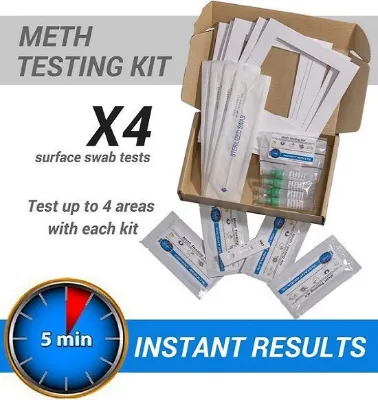
Methamphetamine contamination isn’t just a problem in former drug labs anymore. Residues can end up in ordinary homes, often without any visible signs. Knowing how contamination happens and how testing works can help homeowners, tenants, and property managers make safer, more informed decisions.
Why Meth Contamination Is Becoming a Bigger Concern
In recent years, awareness of meth contamination in residential properties has grown. What used to be mostly linked to illegal production is now understood to occur in regular homes, apartments, and rental properties as well.
Being aware of how contamination happens and when to test is key for anyone responsible for a property. It helps reduce unexpected risks and ensures safer living conditions.
Why Meth Residue Can Be Hard to Spot
Unlike mold or fire damage, meth contamination usually doesn’t leave obvious visual clues. A home can look perfectly clean while chemical residues linger on surfaces.
These residues can settle on:
-
Walls and ceilings
-
Carpets and flooring
-
Furniture and soft furnishings
-
Ventilation and air systems
Regular cleaning often isn’t enough to remove these particles completely. That means contamination can go unnoticed for years.
Health Risks to Keep in Mind
Health concerns are often the main reason people test for meth residue. Exposure has been linked to symptoms such as:
-
Headaches
-
Skin irritation
-
Respiratory discomfort
-
Persistent fatigue
Children are especially vulnerable because of their frequent contact with surfaces and developing immune systems. Even if symptoms don’t appear immediately, long-term exposure may increase health risks.
Contamination Can Come From More Than Labs
It’s a common myth that only former meth labs are affected. In reality, repeated or heavy indoor use can also leave residues.
When meth is smoked, tiny particles travel through the air and settle on multiple surfaces. Over time, these can build up—especially in areas with poor ventilation—meaning even homes without a history of production may carry contamination.
How Testing Helps Identify Risks
Because meth residue is invisible, testing is the most reliable way to know if a property is affected. It lets property owners make decisions based on evidence rather than assumptions.
Testing is particularly useful when:
-
Buying a property
-
Starting or ending a tenancy
-
Preparing for renovation or maintenance work
Tools like meth testing kits and guidance resources make it easier for individuals to understand whether further action is needed.
Secondary Transfer: A Hidden Risk
Residue can also spread indirectly. Everyday items such as:
-
Furniture
-
Clothing
-
Personal belongings
can carry contamination from one space to another. Early awareness helps prevent unknowingly introducing residues into a new home or environment.
Debunking Common Testing Myths
Some people think testing is complicated or disruptive. Modern testing methods are actually designed to be straightforward and accessible.
Initial screening can reveal whether:
-
Contamination exists
-
A professional assessment is needed
-
Remediation should be considered
This allows informed decisions without disrupting daily life.
Legal and Financial Considerations
Meth contamination isn’t just a health concern—it can also have legal and financial consequences. In some cases, property owners or sellers are legally required to disclose known contamination.
Discovering contamination late can lead to:
-
Disputes between buyers and sellers
-
Unexpected cleanup costs
-
Challenges with rental agreements
Testing provides documented evidence that supports transparency and reduces uncertainty during property transactions.
Taking a Practical, Informed Approach
Public understanding of meth contamination is still evolving, and misconceptions remain. It’s not limited to certain property types or locations, and even well-kept homes can be affected.
A practical approach—combining awareness with proper testing—helps shift focus from stigma to responsible management. It empowers property owners and occupants to assess risks and respond appropriately.
Conclusion
Meth contamination is often invisible but can impact health, property use, and financial decisions. Knowing how residues form and recognizing when to test can prevent complications down the line.
With clear information and the right tools, property owners and occupants can make confident, informed choices about their homes.