One of the most common conditions we see in optometry practice is an inflammatory condition of part of the eyelid called blepharitis. Symptoms include dryness, burning, itching, stickiness, watering, light sensitivity, red eyes, frequent styes and intermittent blurred vision. Many people with blepharitis suffer no discomfort or symptoms at all, but if left unmanaged, it can cause dry eye symptoms and eyelid inflammation.
The most common form of eyelid Blepharitis is Meibomian gland dysfunction (MGD), also termed posterior blepharitis. The meibomian glands are located in the eyelids and they secrete the oily layer of the tear film which is crucial in preventing rapid evaporation of tears. The oil glands become blocked with thickened secretions, and chronically clogged glands eventually become unable to secrete oil which results in permanent changes in the tear film and dry eyes.
Your oil glands have gone on strike!
There are other forms of blepharitis – some caused by microscopic mites and their waste materials or one that creates flaking and scaling — including on the eyelids. There are others too. Chronic blepharitis in any form left untreated will cause meibomian gland dysfunction.
Although Blepharitis is quite common, unfortunately it often goes undiagnosed. Even when diagnosed it is often not treated or is not treated effectively until it has become chronic or severe.
Eyelid hygiene is the cornerstone of treatment for most cases of blepharitis, and in most cases needs to be an ongoing commitment at home. Besides a program of eyelid hygiene, the severity of the blepharitis and related symptoms may require supplemental treatment with topical and oral medicine, nutritional supplements such as omega-3 fatty acids, and lubricant eye drops.
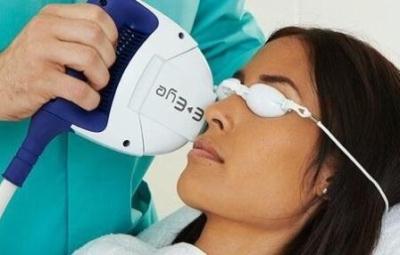
However, for cases of meibomian gland dysfunction optometrists or ophthalmologists may also offer in house treatments such as meibomian gland expression and IPL. IPL is a fairly new treatment for meibomian gland dysfunction that uses polychromatic pulsed light to stimulate the meibomian glands in order for them to return to their normal function.
For those who suffer dry eye related to meibomian gland dysfunction IPL treatment can give relief that lasts for months.
During an eye examination your optometrist can diagnose blepharitis and dry eye, and differentiate between the different forms so that treatment is targeted most appropriately to the cause.